

Understanding how often to change your engine oil is paramount for the longevity and performance of your vehicle. It's a fundamental aspect of car care that directly impacts engine health and efficiency. At Dank Motor Works LLC, we believe in providing transparent information to help vehicle owners make informed decisions about their maintenance needs. Knowing the right interval for an oil change can save you from costly repairs down the line and keep you safely on the road.
The Vital Role of Engine Oil
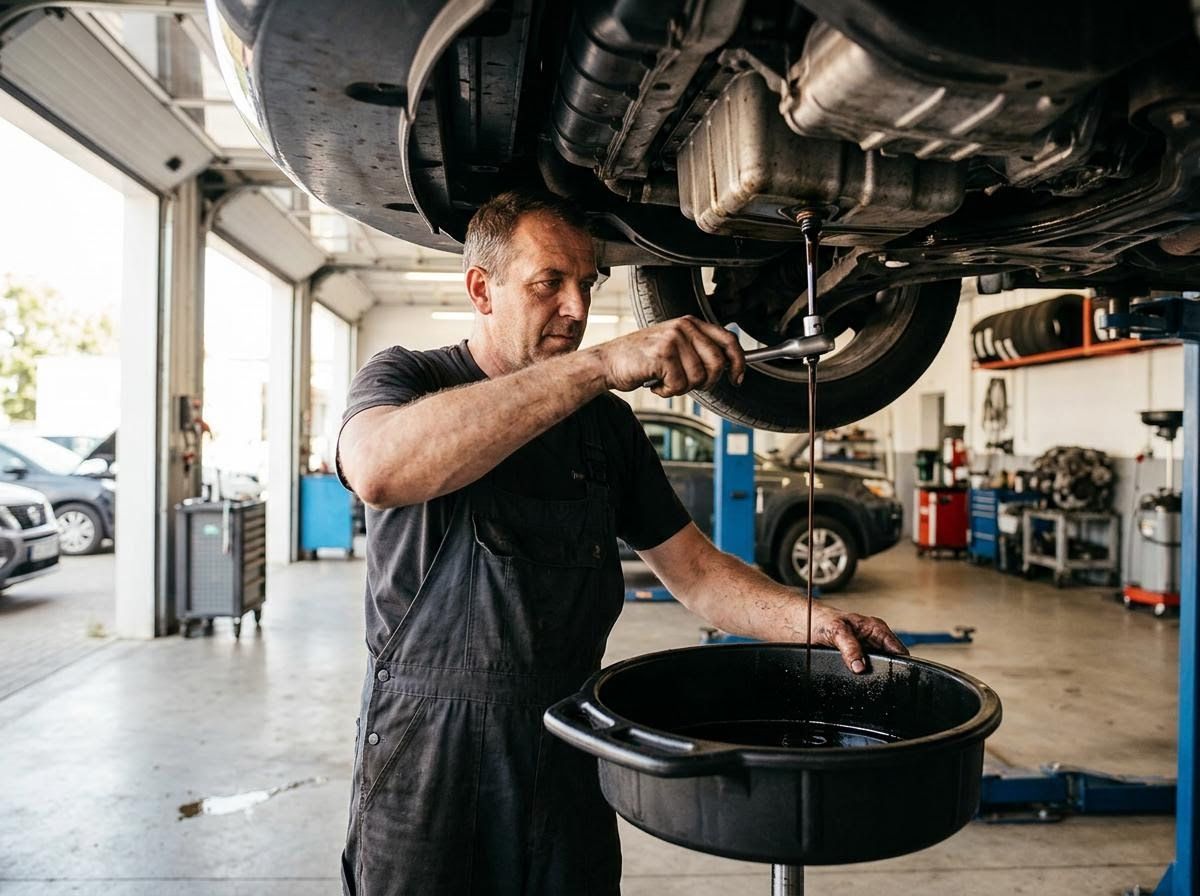
Engine oil is the lifeblood of your vehicle's engine, performing several critical functions. It lubricates moving parts, reducing friction and wear that can lead to overheating and damage. Beyond lubrication, oil helps to cool the engine by drawing heat away from hot components. It also cleans the engine by suspending dirt, sludge, and other contaminants, preventing them from accumulating and causing blockages. Over time, oil breaks down, losing its viscosity and ability to perform these essential tasks, which is why regular replacement is non-negotiable.
Factors Influencing Your Oil Change Schedule
There isn't a one-size-fits-all answer to how often you should change your oil, as several factors come into play. Your driving habits are a major consideration; frequent short trips, heavy towing, or driving in extreme temperatures (very hot or very cold) are considered "severe" driving conditions that often require more frequent oil changes. Conversely, consistent highway driving is less strenuous on your engine oil. The age and type of your vehicle, along with the kind of oil used, also dictate the optimal interval.

Deciphering Your Owner's Manual and Oil Types
The most reliable source for your vehicle's specific oil change recommendations is always your owner's manual. This document outlines the manufacturer's guidelines based on engine design and intended use. Modern vehicles often use synthetic or synthetic blend oils, which are engineered to last longer and perform better under various conditions compared to conventional oils. While conventional oil might require changes every 3,000 to 5,000 miles, many synthetic oils can extend intervals to 7,500, 10,000, or even 15,000 miles. Always check your vehicle's specifications.
Beyond Oil - Comprehensive Vehicle Health
While engine oil changes are critical, they are just one piece of the comprehensive Auto-Repair puzzle. Regular maintenance also includes ensuring your brakes are in top condition with a professional Brake Inspection, addressing any warnings that may arise from a Check Engine light diagnostic, and maintaining your vehicle's ride comfort and safety with timely Brake & Suspension Service. A qualified Mechanic can help you understand the full scope of your vehicle's needs, preventing small issues from becoming major problems.
Ultimately, regular engine oil changes are a simple yet profound way to protect your automotive investment and ensure safe, reliable transportation. Proactive maintenance, guided by your vehicle's specific needs and manufacturer recommendations, is key to preventing unexpected breakdowns and maximizing your car's lifespan. At Dank Motor Works LLC, we are committed to helping you understand and implement the best maintenance practices for your vehicle. For detailed guidance on your oil change schedule or any other Auto-Repair concerns, explore our website for valuable resources and service information.